
The challenges ahead of us are significant. But so is the collective wisdom of experienced community leaders around the world.
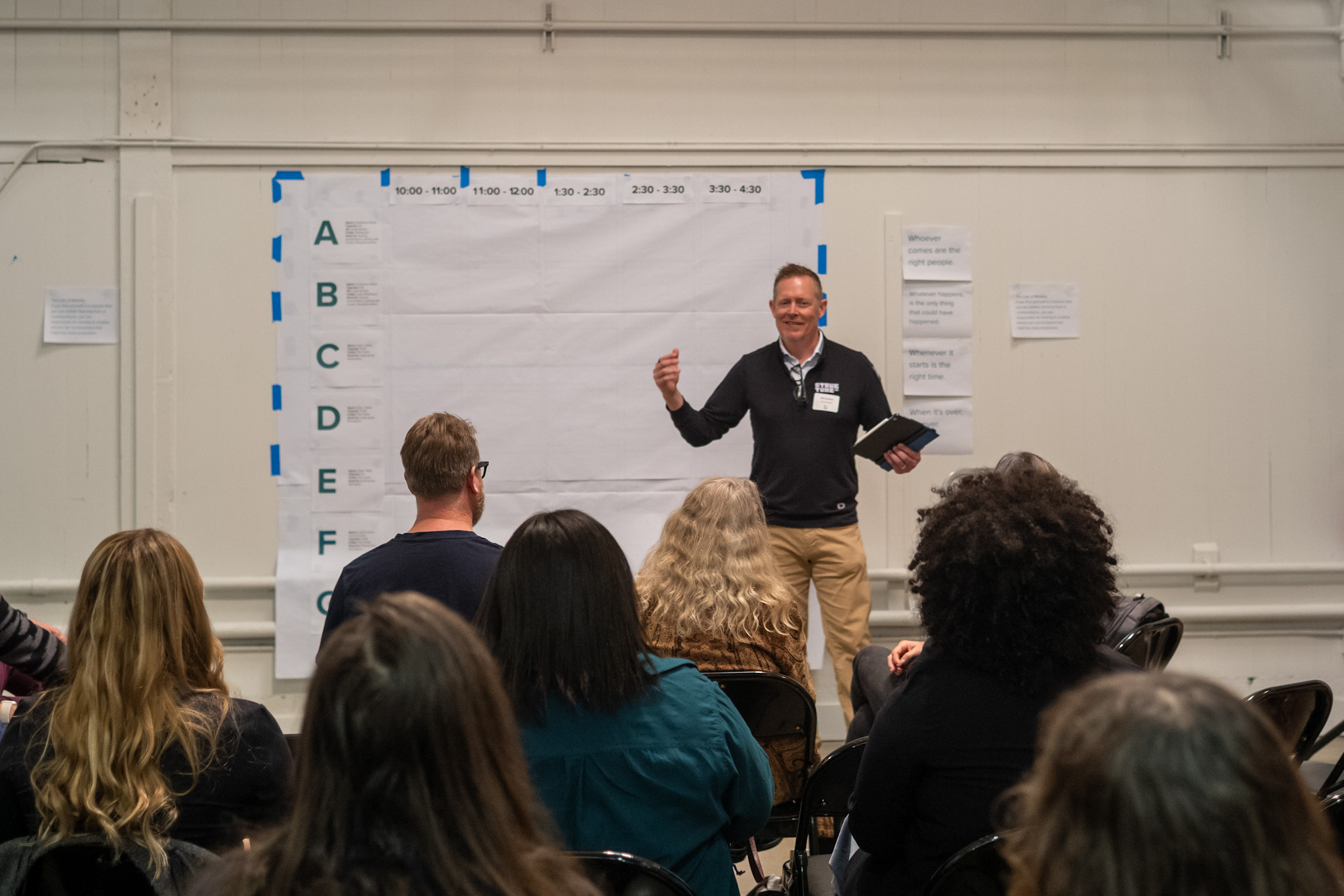
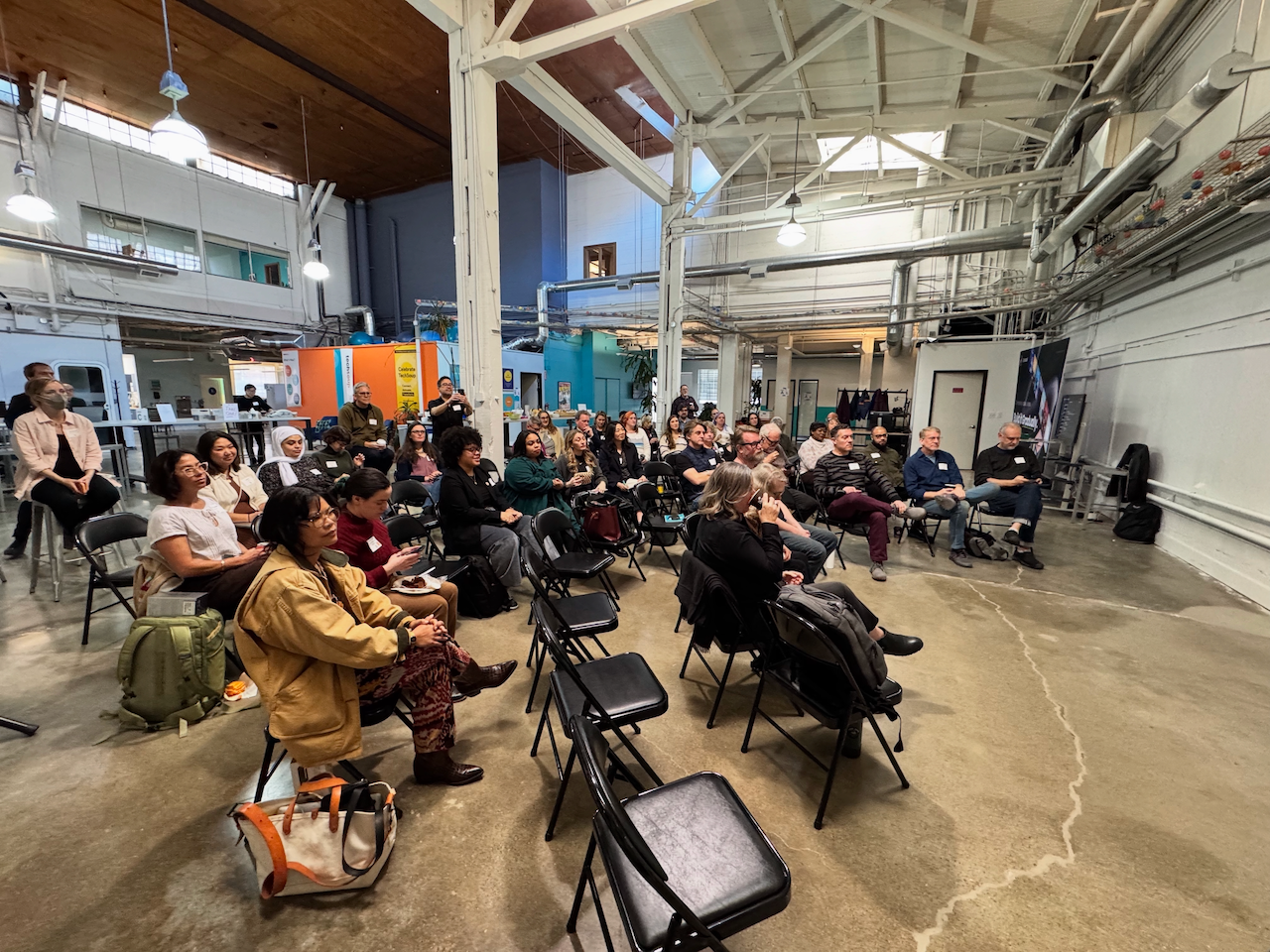
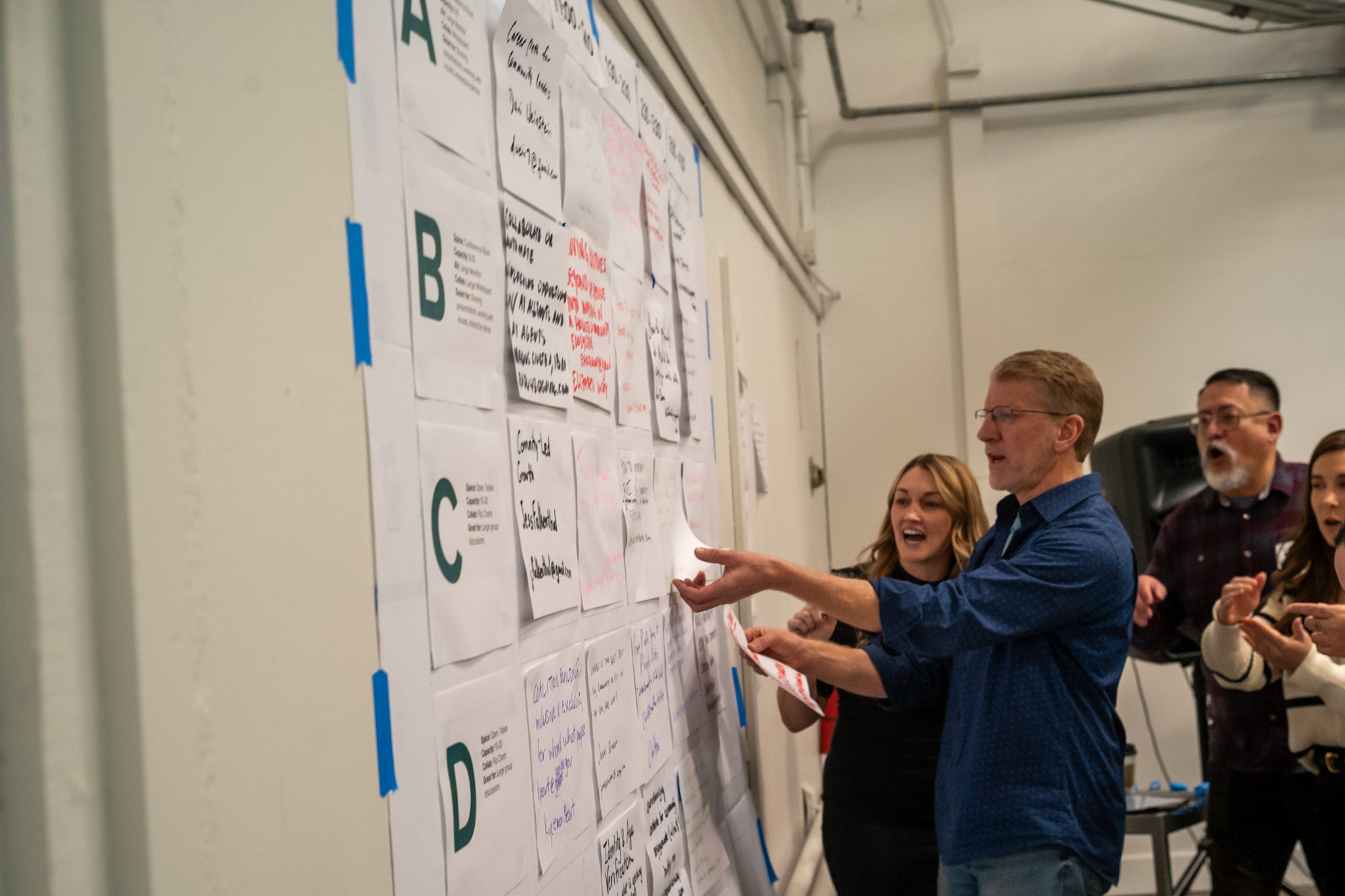
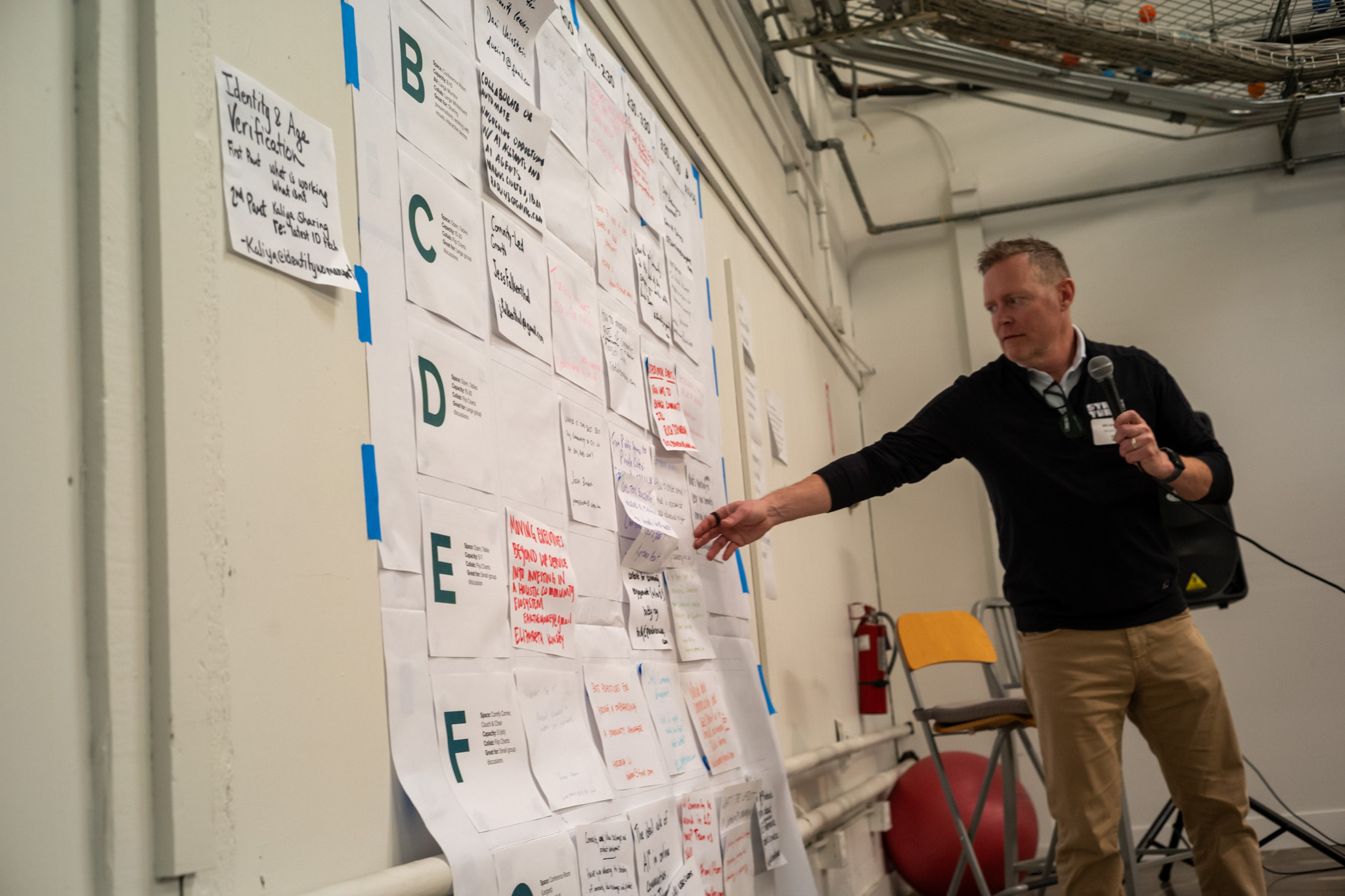
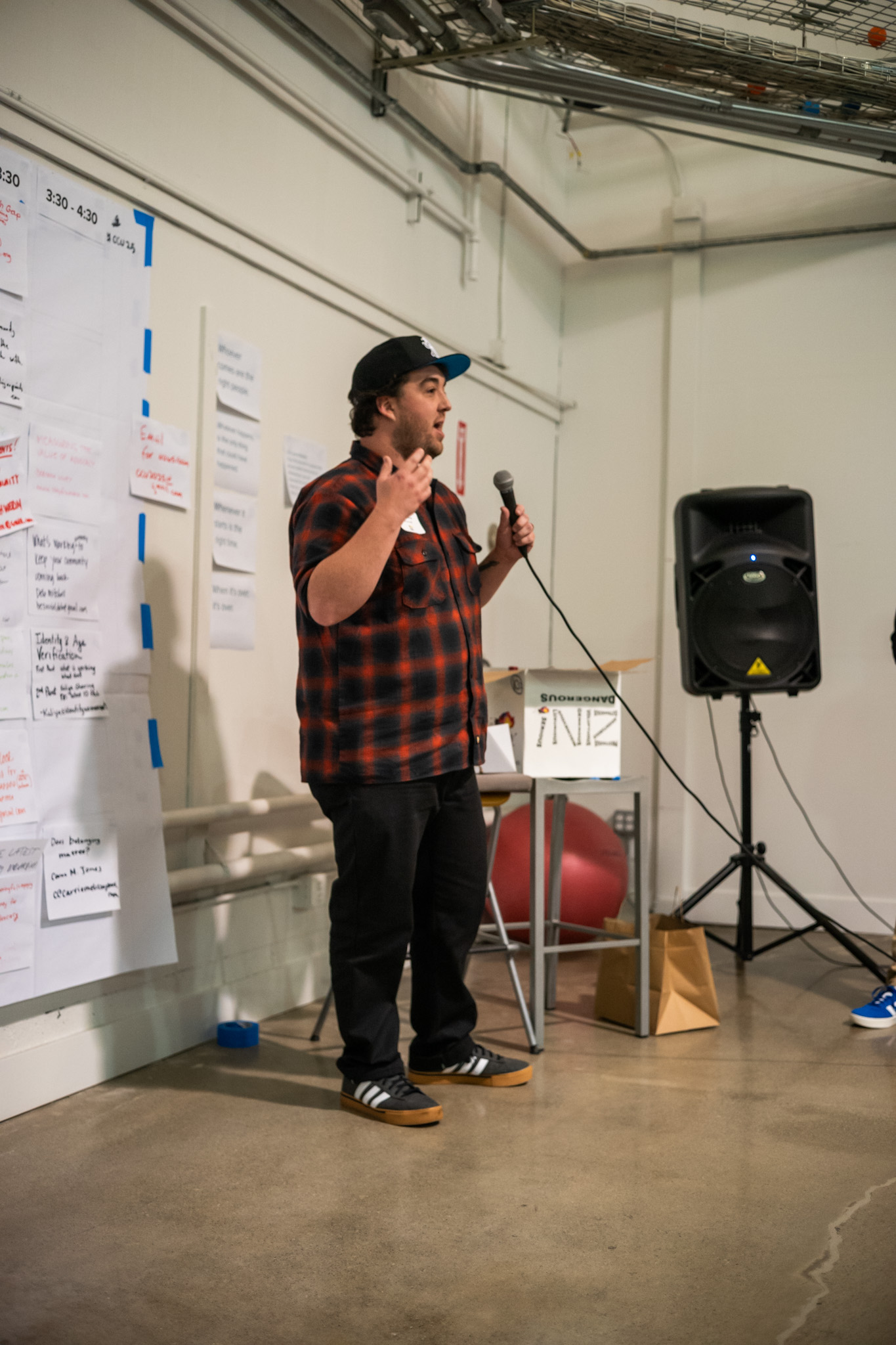
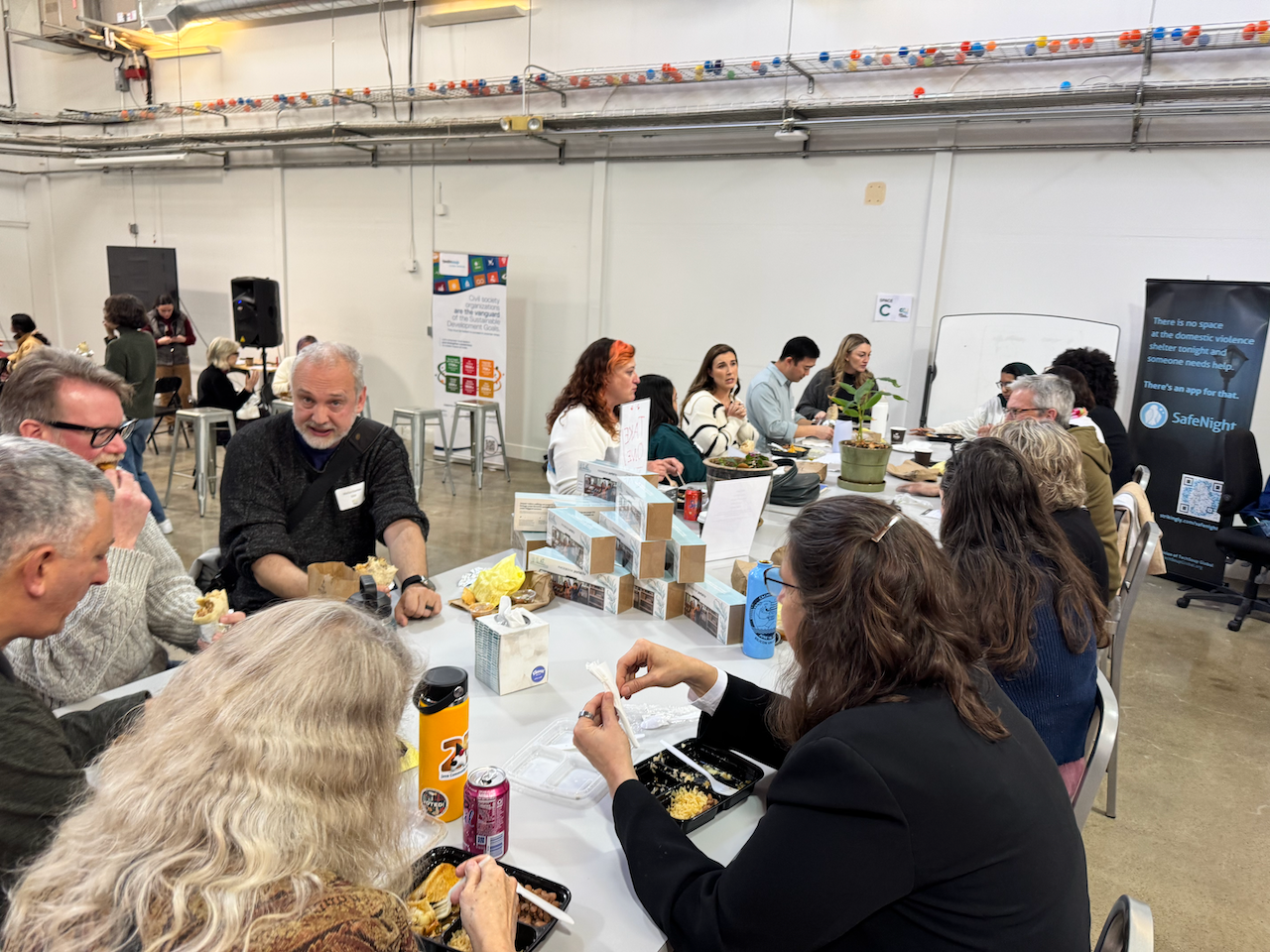
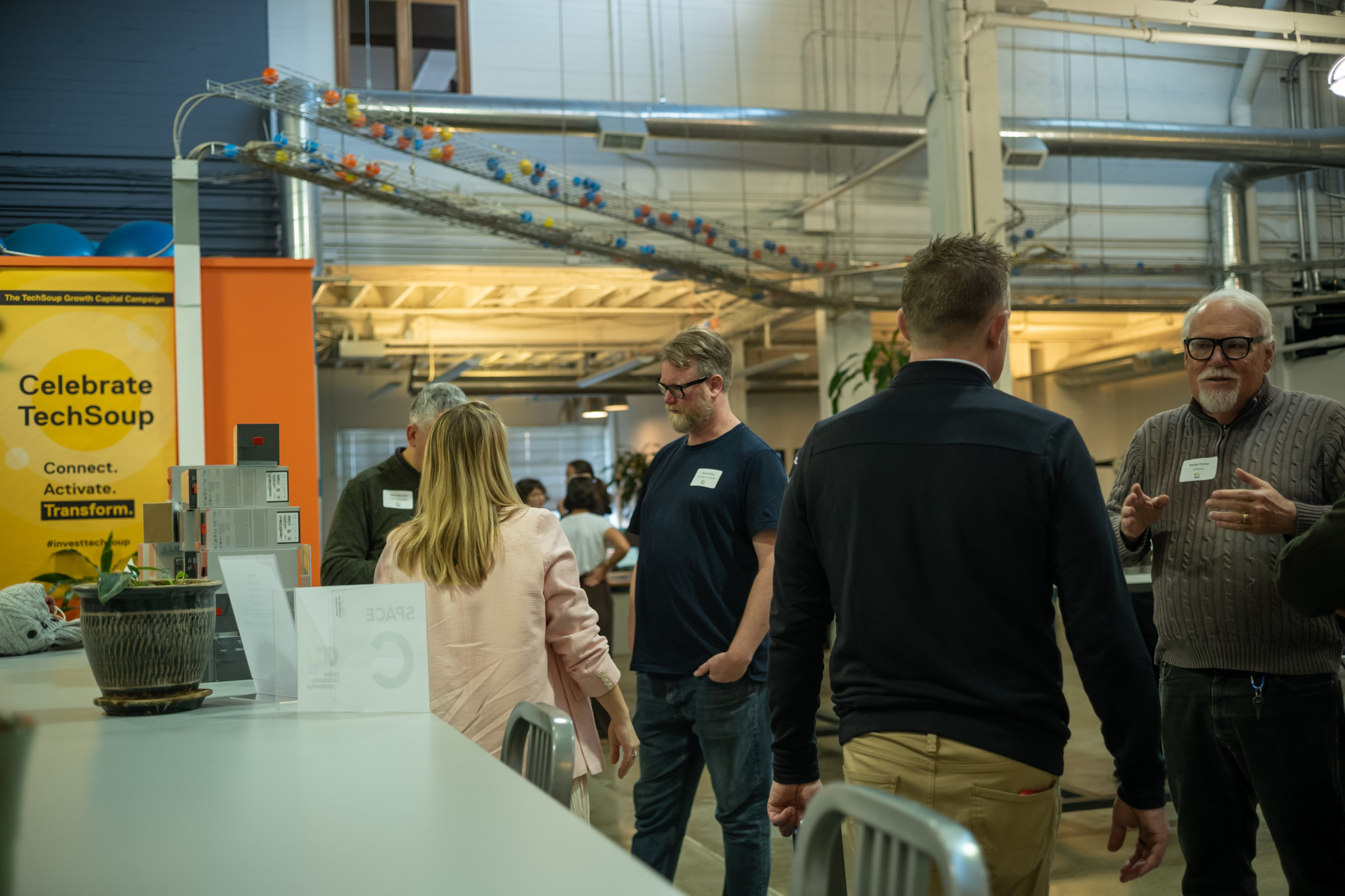
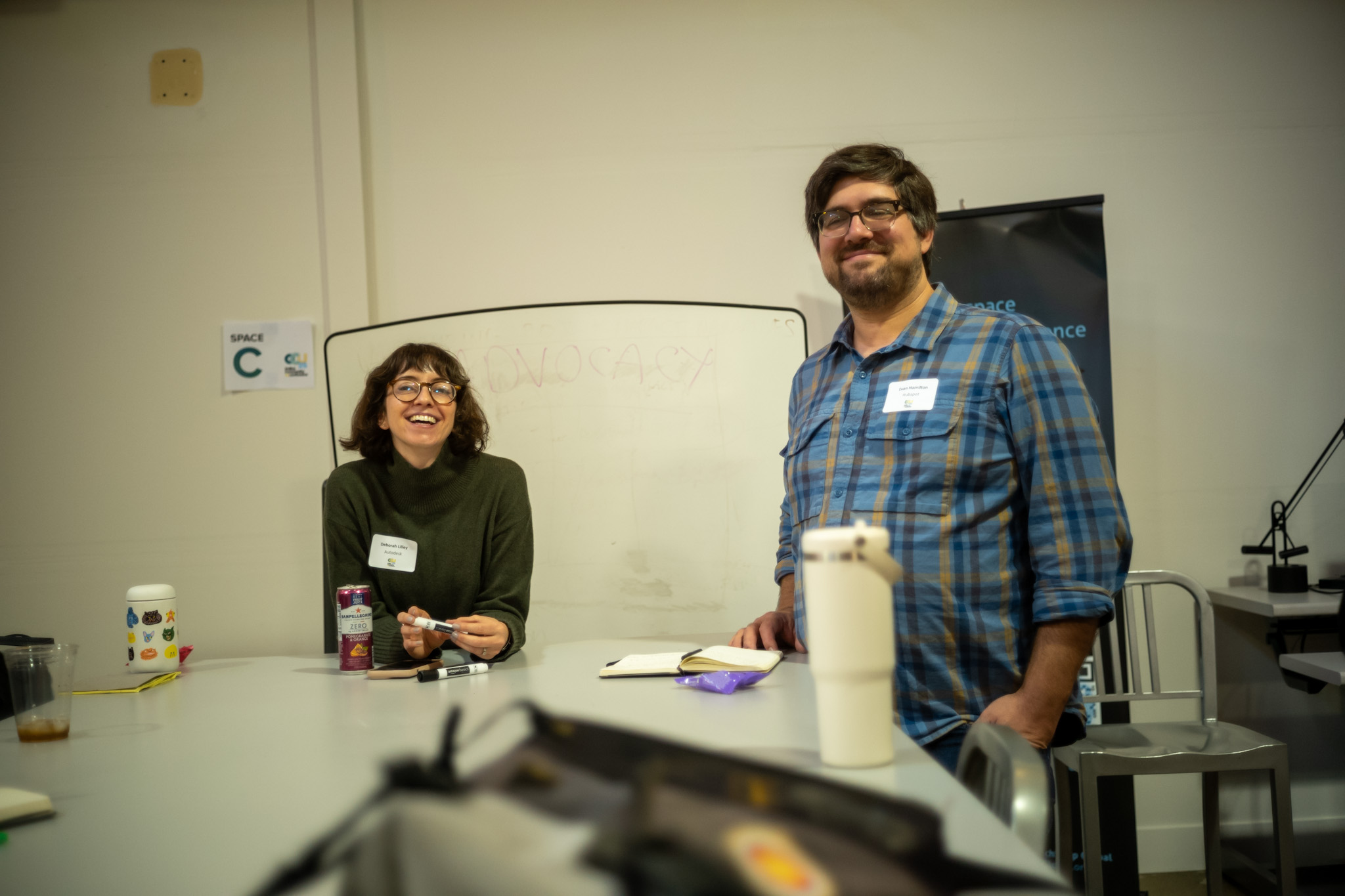
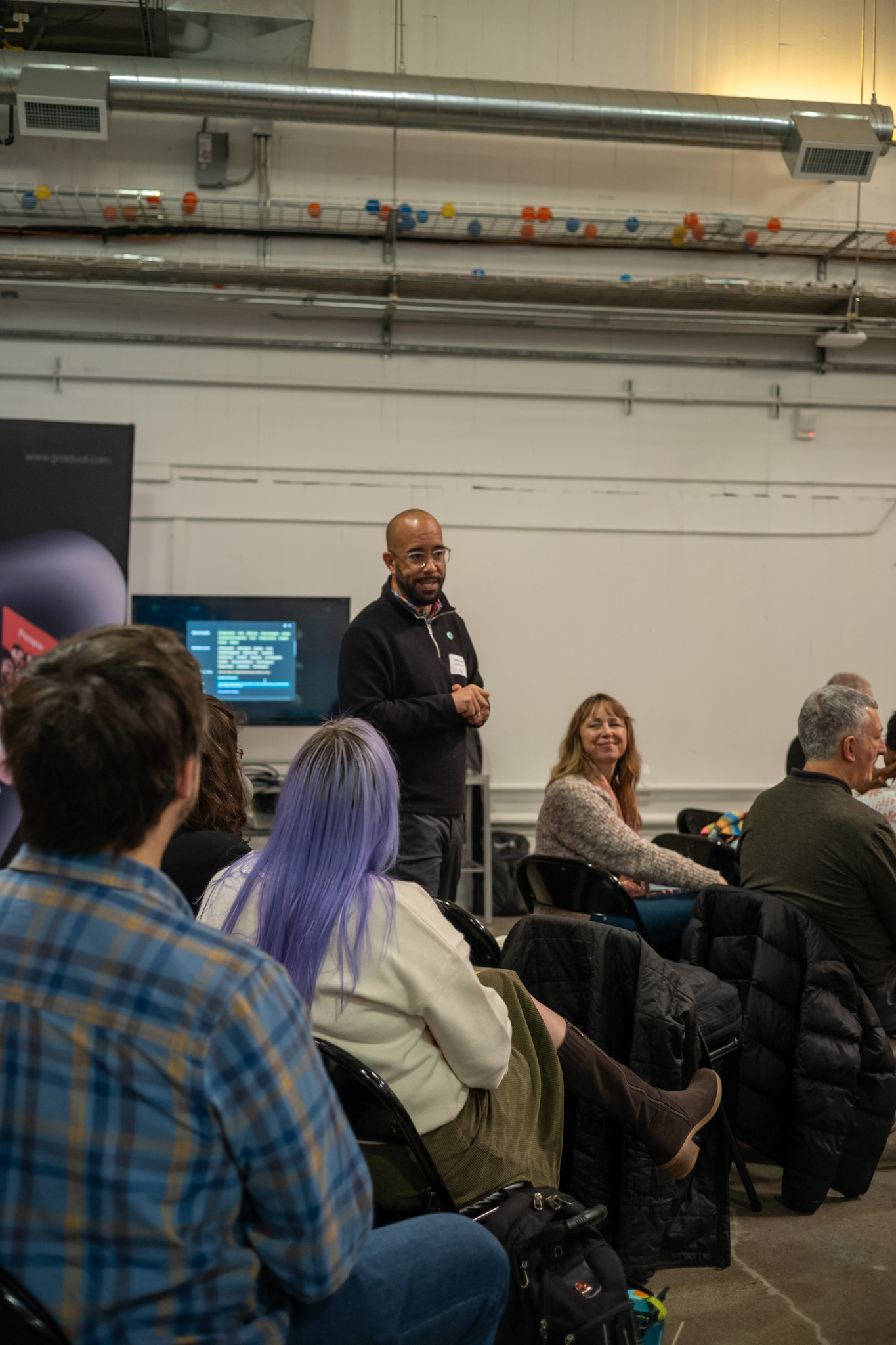
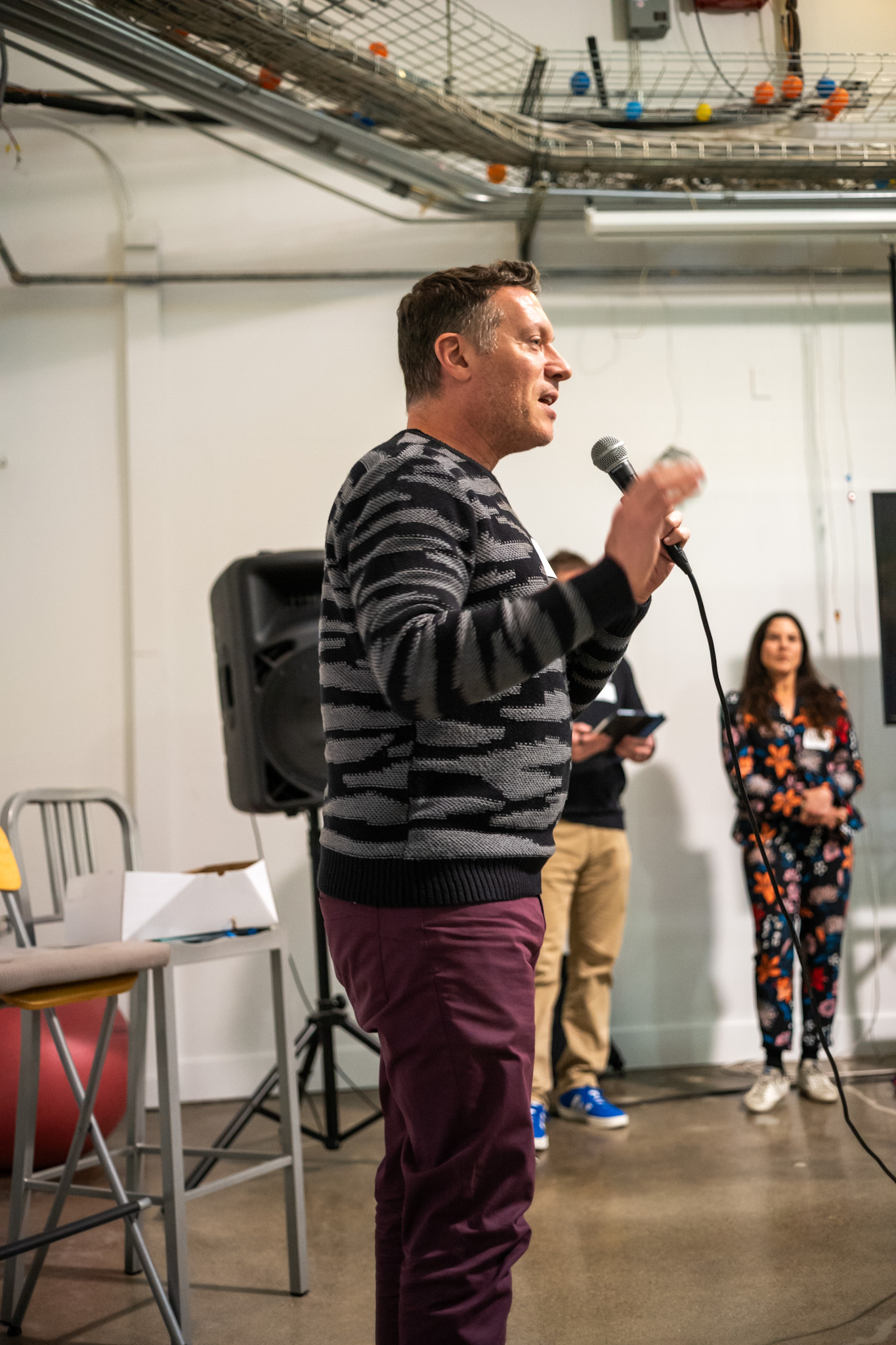
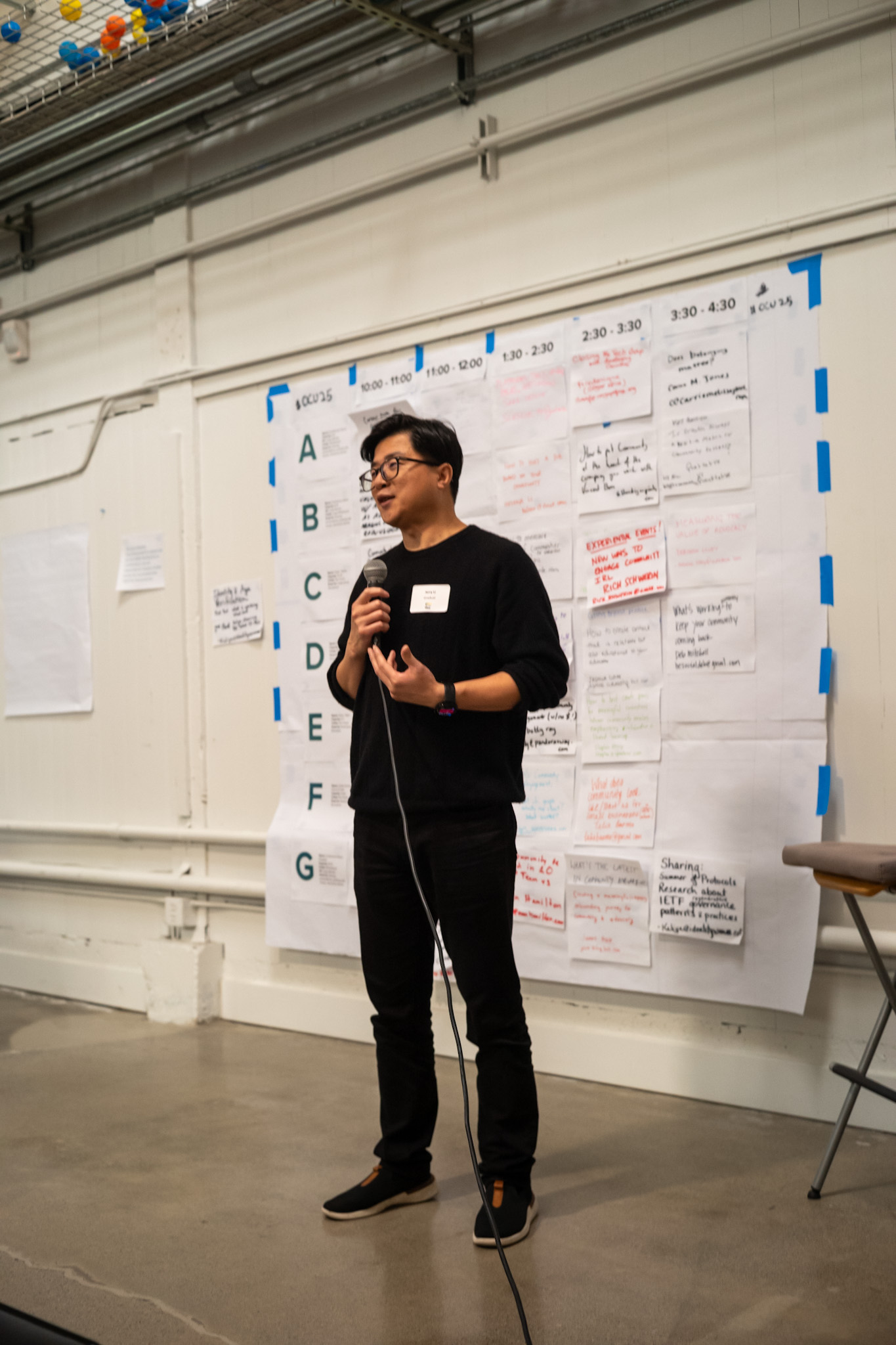
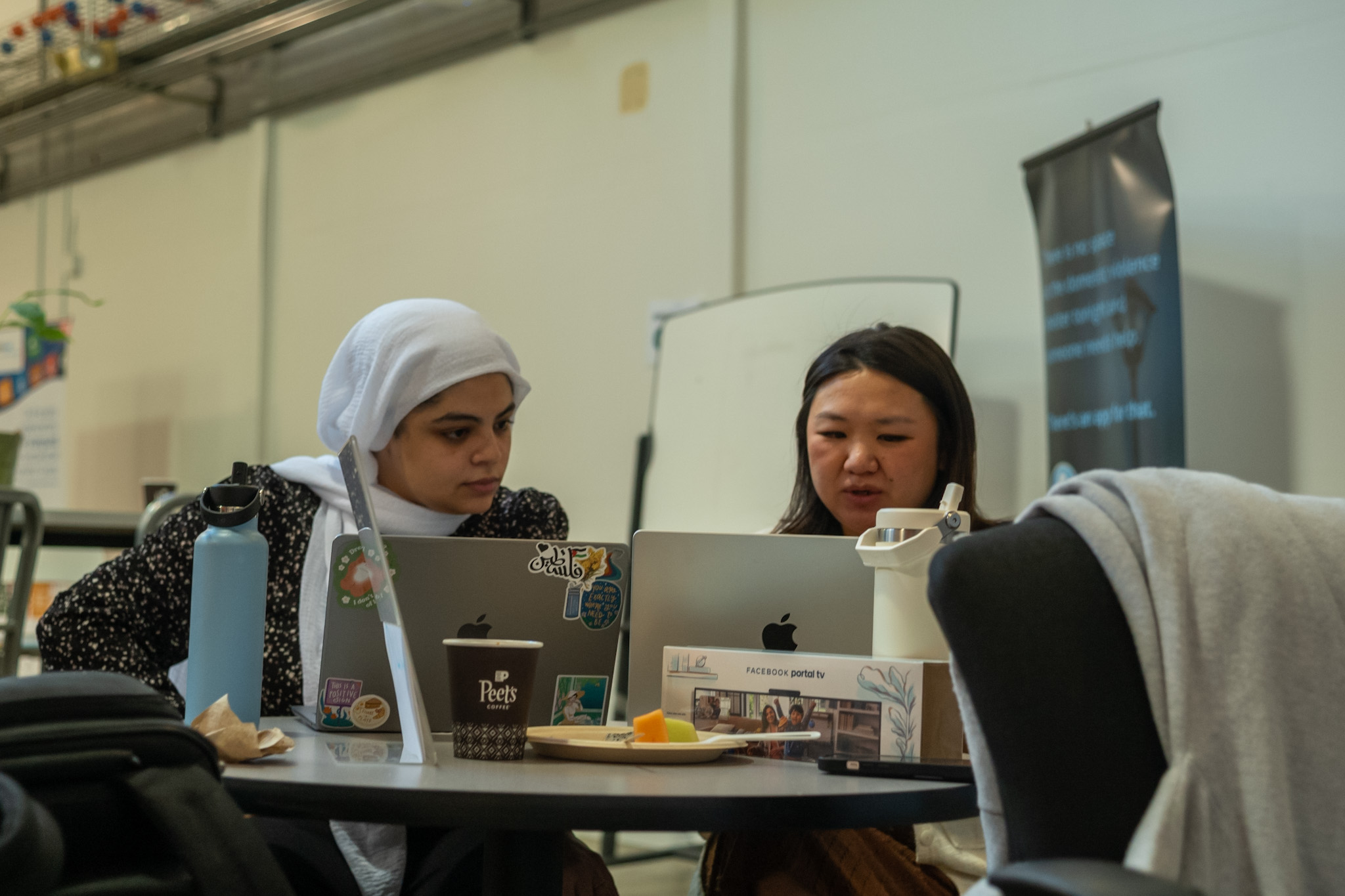
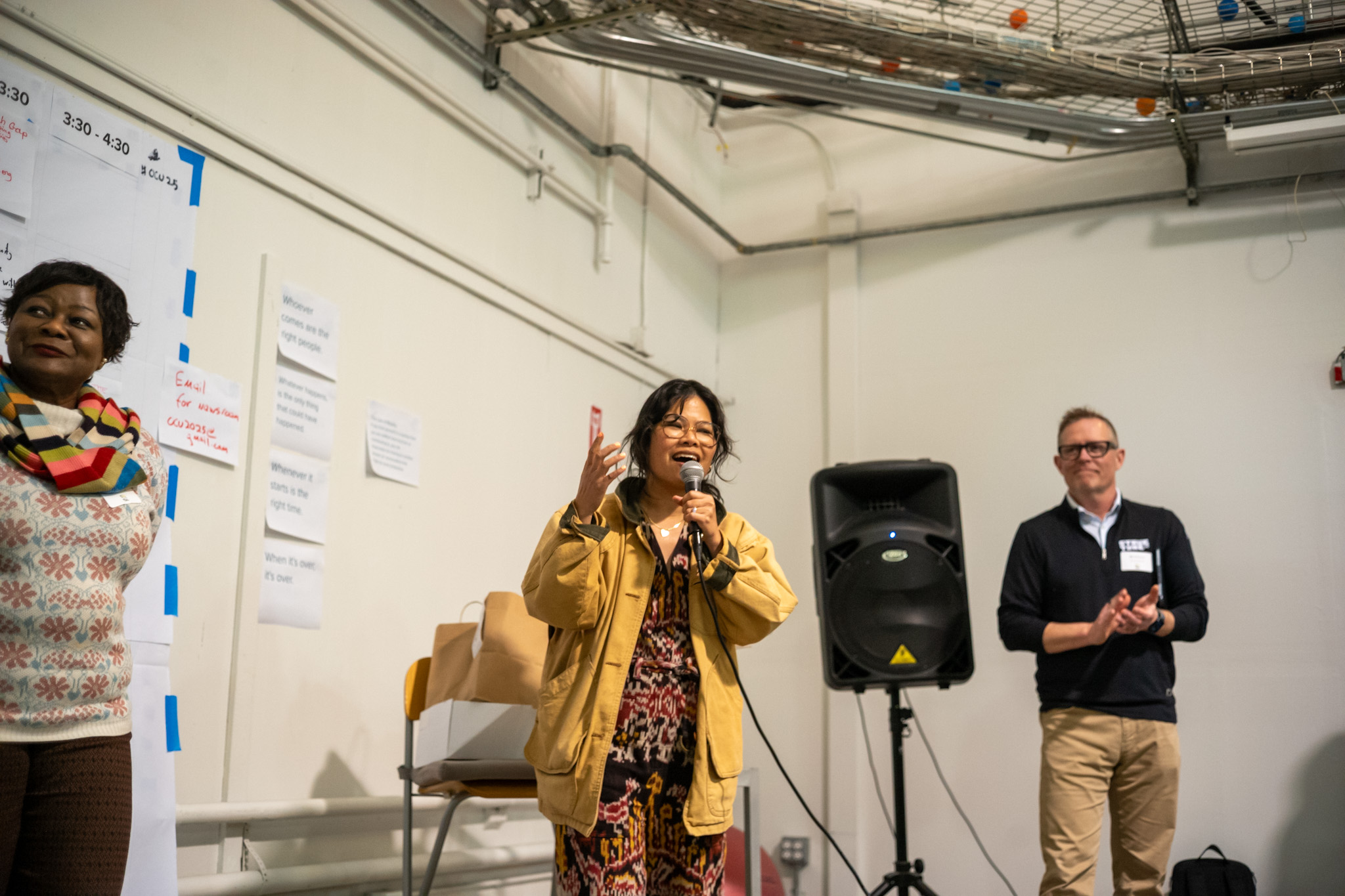
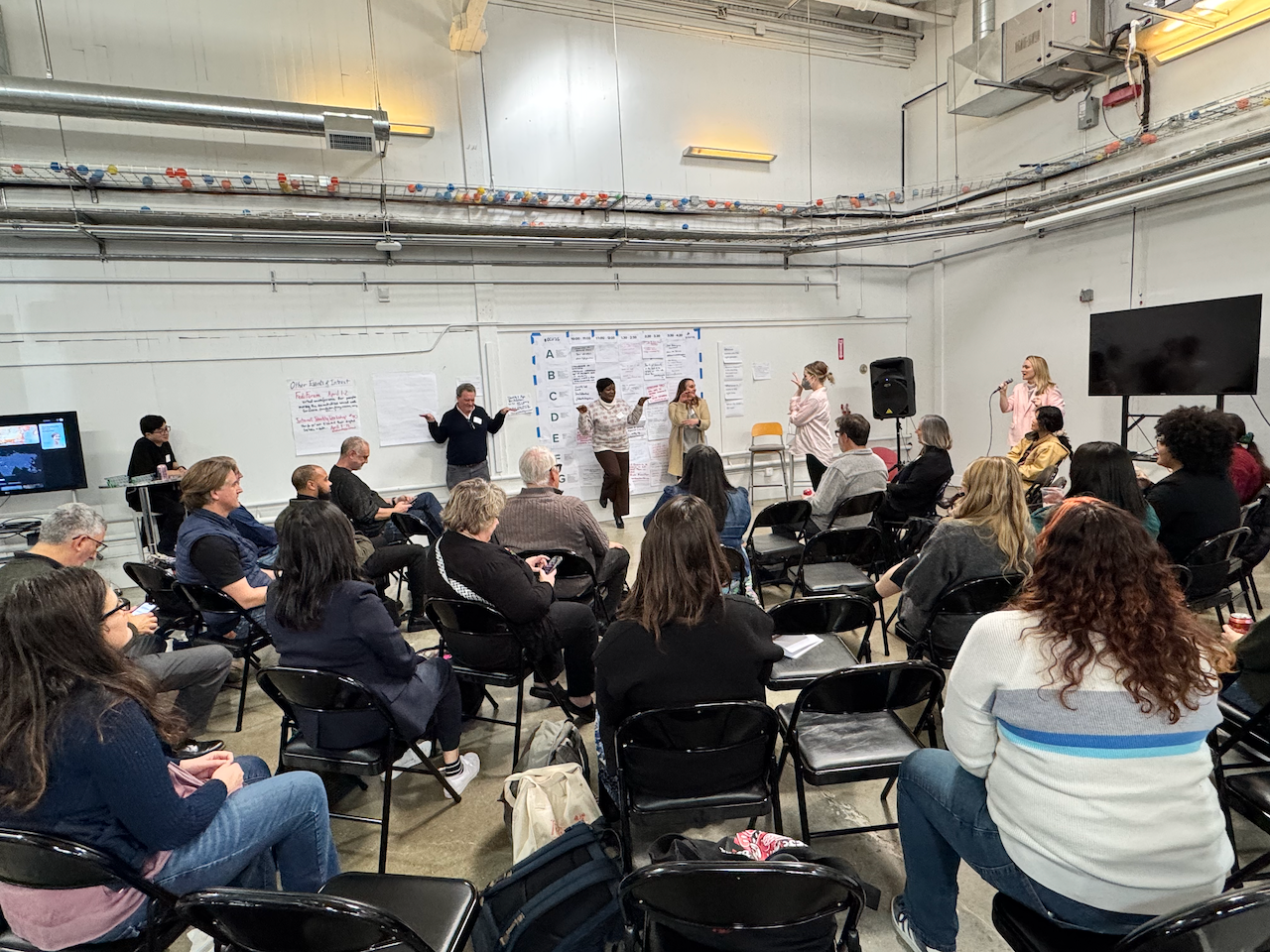
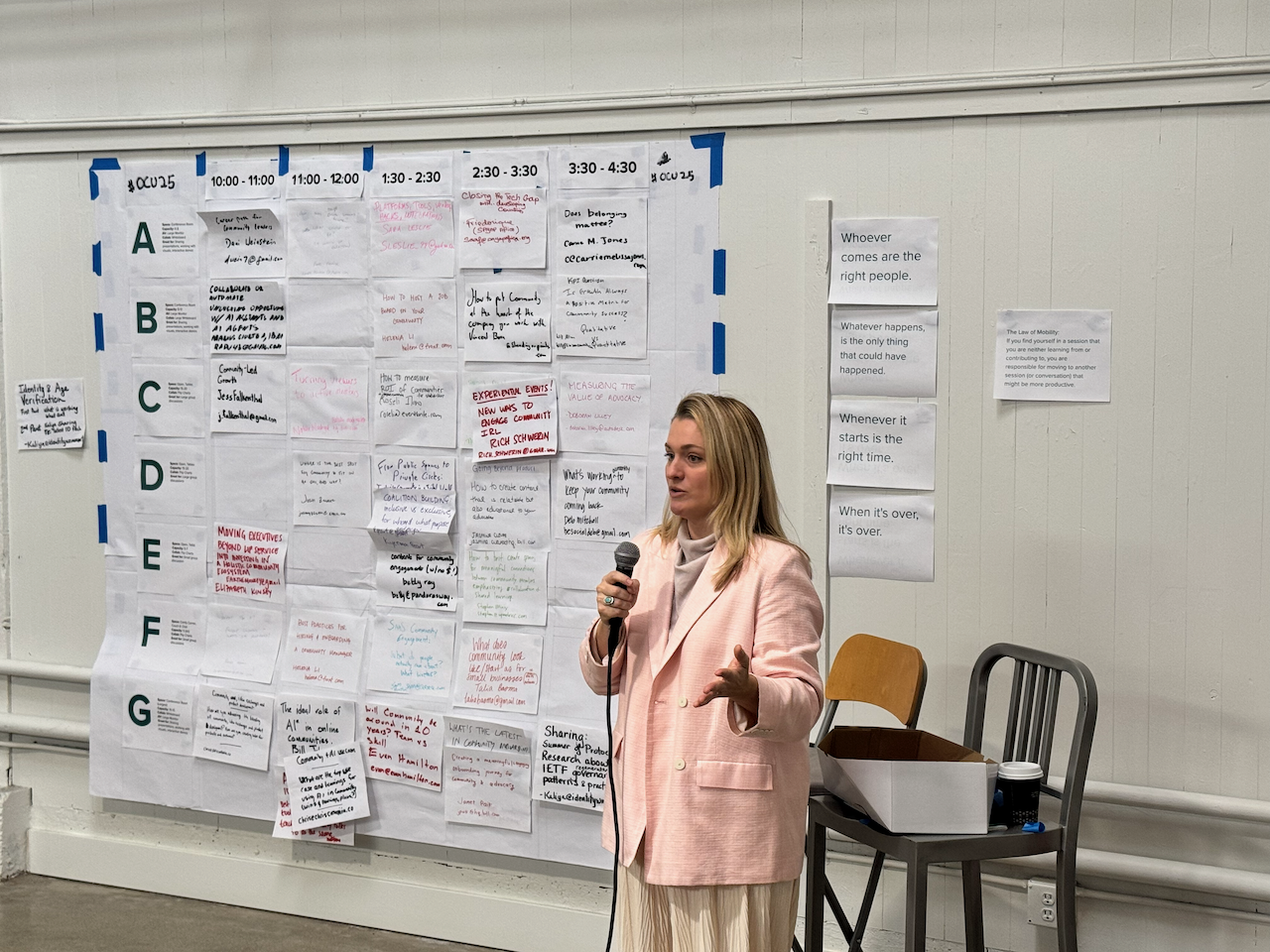
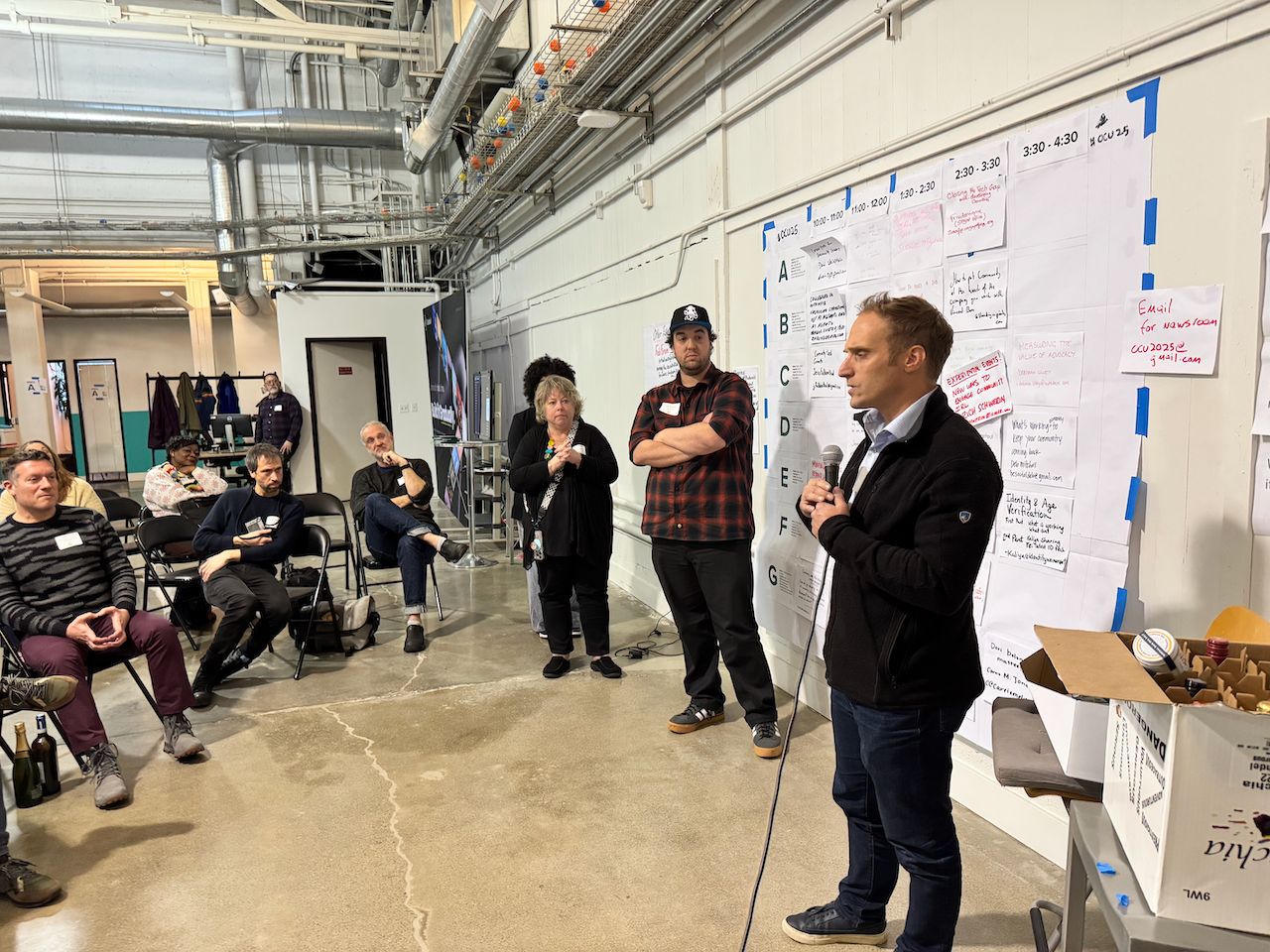
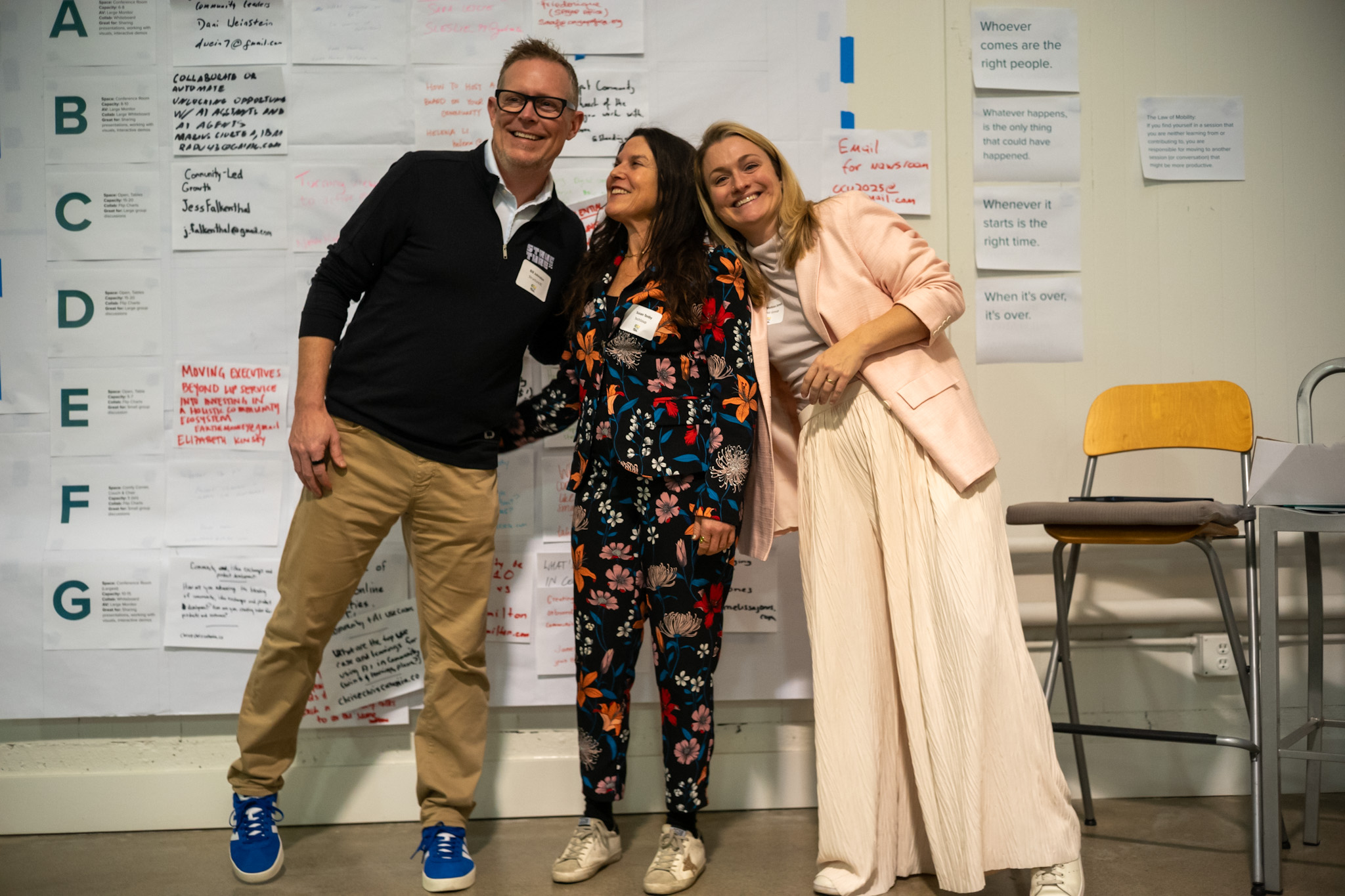
On January 8th, I had the privilege of gathering in San Francisco with some of the brightest minds in community leadership at the Online Community Unconference 2025. Looking around the room that morning, I saw a group of people who wake up every day thinking about how to bring humans together in meaningful ways. Each person there has spent countless hours nurturing spaces where people connect, learn, and grow—often in ways that go unseen but are profoundly impactful.
This work is not new. The first Online Community Unconference was held in 2007, and since then, we’ve made real progress on many aspects of community development while continuing to wrestle with others. But this year’s gathering felt different. There has never been a more urgent need for our practice.
The past few years have reinforced both the profound need for genuine connection and the growing complexity of fostering it. Communities have become central to how people navigate everything from professional development to mental health to social change. At the same time, the landscape has shifted—AI, platform volatility, and the pressure to prove ROI have all made community work more challenging and, in some cases, more fragile.
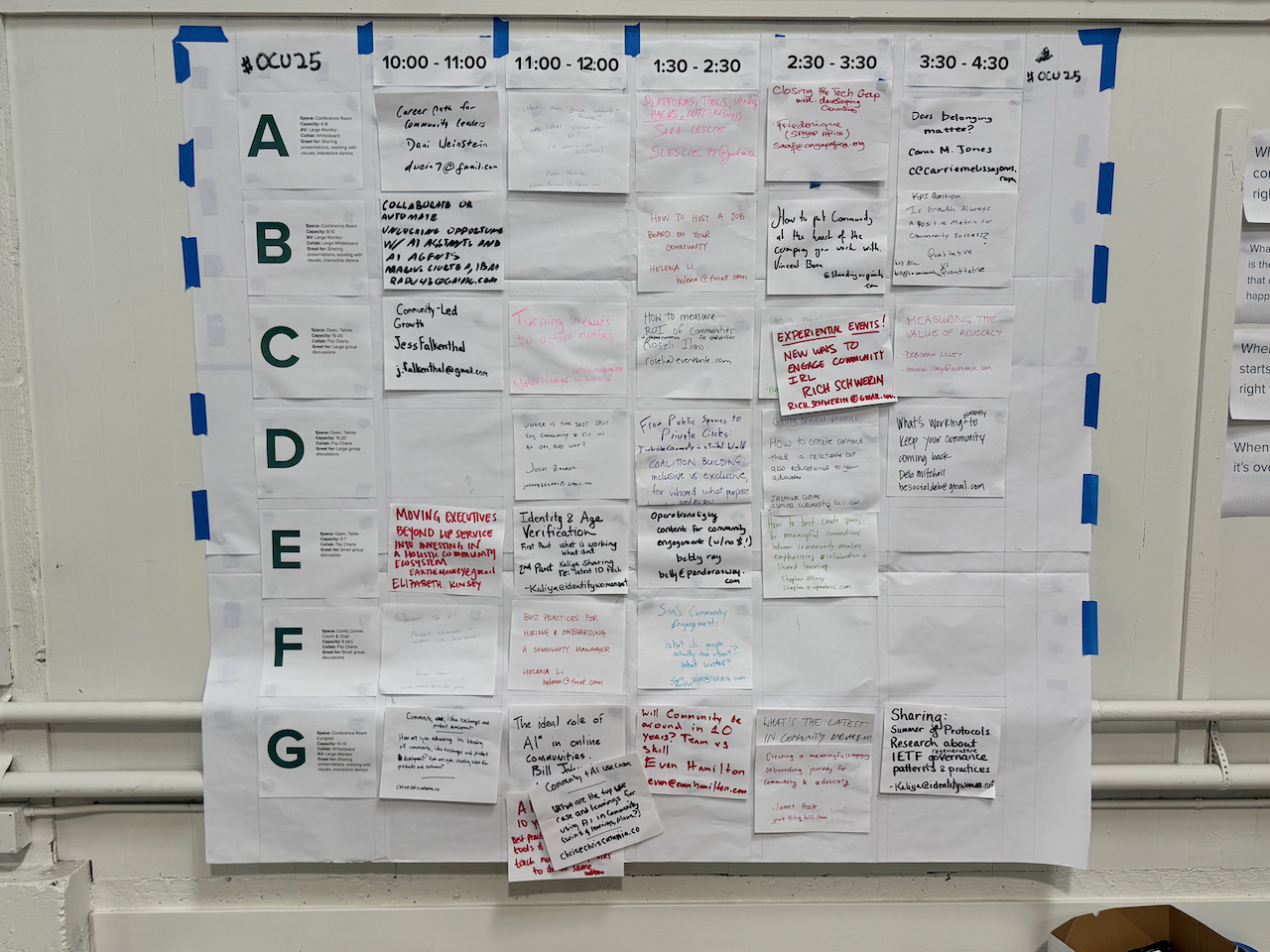
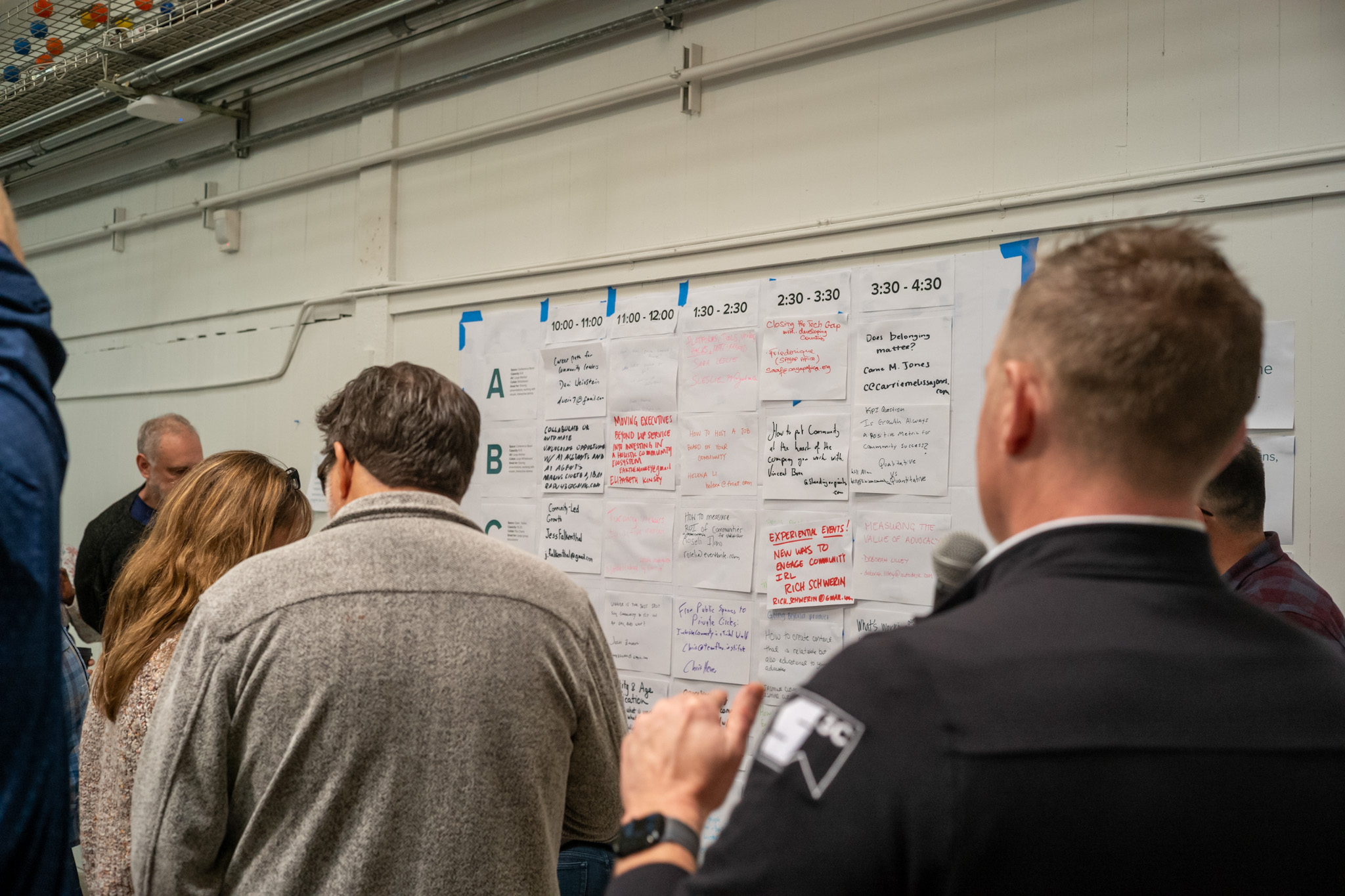
That’s why we gathered. The Unconference wasn’t about canned presentations or neatly packaged solutions. It was about creating space for the conversations that community and community-skilled leaders need to have—whether that’s grappling with platform decisions, finding better ways to demonstrate impact, or reimagining what healthy online spaces should look like in 2025 and beyond.
My hope is that everyone who attended left not just with tactical insights, but with renewed clarity about why this work matters—and how we can collectively shape its future.
The challenges ahead of us are significant. But so is the collective wisdom of experienced community leaders around the world. Below, you’ll find a deep dive into the key themes and takeaways from this year’s Unconference—what’s working, what’s stuck, and where we need to go next.
I. Summary
At the Online Community Unconference 2025 (OCU25), community and community-skilled leaders gathered to discuss the evolving role of online communities in business. The conversations revealed critical tensions and transformative shifts in community-led growth, AI’s impact on human connection, and the ongoing struggle to align community strategy with executive priorities.
The key takeaway? Communities are at a crossroads:
- The commodification of community has led to an overemphasis on engagement metrics rather than long-term value creation.
- AI is reshaping community management, creating new efficiencies but also raising ethical concerns about trust, privacy, and human connection.
- Executives still struggle to see clear ROI, resulting in underinvestment and misalignment between business goals and community impact.
- The next decade of community strategy will be defined by intelligence, trust, and integration across business functions.
II. The Core Challenge: Community’s Identity Crisis
Key Question: Is “Community” a Strategic Asset or Just Another Business Unit?
Community professionals at OCU25 expressed frustration over the corporatization of community—where engagement is treated as a content funnel rather than an ecosystem of value. This shift has led to:
- Vanity Metrics Over Meaningful Interactions: Community success is often measured by member count, post volume, or page views rather than depth of engagement, contribution rates, or advocacy impact.
- A Focus on Extraction Over Reciprocity: Communities are increasingly structured to serve corporate KPIs (support deflection, lead generation) rather than fostering member-driven value.
- An Overreliance on AI Automation: While AI can improve content discovery and efficiency, it risks dehumanizing interactions, leading to a loss of authenticity and trust.
Quote from OCU25:
“There is no such thing as “community” anymore” — Randy Farmer, OCU25
This sentiment reflects the concern that algorithm-driven engagement and AI-mediated interactions have stripped communities of real relationships and shared purpose.
Recommendations:
➤ Reframe Community Metrics: Shift from “activity-based” engagement to “outcome-based” community impact. Metrics should include:
- Advocacy Rate: % of members actively promoting the brand.
- Reciprocity Index: Ratio of value provided vs. value extracted.
- Network Contribution Score: % of content created by members vs. the company.
➤ Deplatform from Unreliable Spaces: Invest in owned community ecosystems rather than relying on external platforms that shift priorities (e.g., Facebook, X).
➤ Human-First AI Implementation: AI should enhance community interactions, not replace them. Adopt “human-in-the-loop” AI models that ensure human engagement remains central.
III. The Executive Buy-In Trap: Why Community Keeps Losing Ground
Key Question: Why Do Executives Still View Community as a Cost Center?
Quote from OCU25:
“How do you present the metrics that the business actually cares about?” — Session on Moving Executives Beyond Lip Service
Key Challenges Identified:
- The ROI Expectation Gap
- Community ROI is typically measured in cost savings rather than revenue generation or strategic advantage, making it hard for executives to see its full value.
- The “Mirage Community” Problem
- High membership numbers often mask low engagement and shallow participation, leading to a false sense of success.
- Community Is Stuck in the Wrong Org Chart
- Community teams are often embedded within Marketing or Customer Success, which limits their perceived value and strategic input.
IV. Understanding the Community Ecosystem
A community ecosystem extends beyond a single platform or group. It is a network of interconnected spaces and interactions that collectively nurture relationships, facilitate value exchange, and drive strategic outcomes. Components include:
- Owned Platforms: Forums, branded community sites, internal networks.
- Social Extensions: Presence on social media (e.g., LinkedIn, Reddit) where brand conversations naturally occur.
- Collaborative Spaces: Integration with tools like Slack, Discord, or Microsoft Teams for real-time interaction.
- Offline Touchpoints: Events, meetups, workshops that deepen relational ties.
Importance of a Community Ecosystem:
- Holistic Engagement: Provides multiple avenues for interaction, catering to diverse member preferences and needs.
- Integrated Intelligence: Aggregates insights across platforms, offering a comprehensive view of community sentiment and behavior.
- Resilience and Flexibility: Reduces dependency on any single platform, safeguarding against changes in platform policies or user behavior.
Strategic Implications:
➤ Invest in Ecosystem Architecture: Design communities that span multiple platforms and touchpoints to capture broader engagement.
➤ Utilize Cross-Platform Analytics: Develop dashboards that aggregate data from various community components to inform strategy.
➤ Foster Organic Growth Across Channels: Encourage members to engage in ways that are most natural and valuable to them, whether online or offline.
V. Action Plan for Leaders
1. Conduct a Comprehensive Community Audit
Suggestions:
- Map current community assets across digital and physical spaces.
- Assess engagement depth using metrics like return visitation rates, contribution frequency, and advocacy levels.
- Identify gaps in member experience and areas of low engagement.
2. Redefine Success Metrics to Align with Business Outcomes
Suggestions:
- Shift KPIs from engagement volume to customer impact measures (e.g., NPS, retention rates).
- Implement tracking systems that link community interactions to sales, renewals, and customer satisfaction.
- Create monthly executive reports focusing on how community actions translate into business results.
3. Embed Community Intelligence into Business Strategy
Suggestions:
- Set up real-time dashboards for monitoring community sentiment and feedback.
- Regularly brief product, marketing, and customer success teams on community-driven insights.
- Utilize community feedback to refine product roadmaps and enhance customer support protocols.
4. Develop an AI Roadmap for Community Engagement
Suggestions:
- Pilot AI tools for personalized member interactions (e.g., tailored onboarding, resource recommendations).
- Establish ethical guidelines for AI use, focusing on transparency, consent, and human oversight.
- Train community managers in AI-assisted tools to enhance productivity without losing the human touch.
5. Secure High-Level Sponsorship for Community Initiatives
Suggestions:
- Identify executive allies who see the strategic value of community.
- Present case studies that showcase tangible business outcomes driven by community efforts.
- Propose community initiatives aligned with current executive priorities (e.g., market expansion, product innovation).
VII. Analysis: How the Community Space Has Evolved Since OCU 2013
A comparison between the Online Community Unconference 2013 (from the book of proceedings) and Online Community Unconference 2025 reveals a fascinating trajectory of progress, stagnation, and setbacks in the online community space over the past decade. While technology, data integration, and AI-driven automation have dramatically transformed community management, many of the core challenges remain the same—especially in securing executive buy-in, proving ROI, and maintaining authentic engagement. In some cases, the community field has actually lost ground as corporate priorities have overridden member-centric approaches.
Where the Community Space Has Advanced
- AI and Automation Have Enhanced Efficiency but Increased Risks
- In 2013, community managers were overwhelmed with manual moderation, engagement tracking, and content curation. Today, AI-powered tools have automated much of this work—improving efficiency but also introducing new concerns about trust, authenticity, and over-reliance on artificial engagement.
- AI is now widely used for sentiment analysis, automated content moderation, and engagement recommendations, allowing teams to scale with fewer resources. However, the 2025 discussions suggest AI-driven engagement can feel transactional and inauthentic, leading to member fatigue.
- Community Intelligence Has Emerged as a Business Asset
- In 2013, community professionals were already discussing social listening and influence tracking, but the tools were rudimentary.
- In 2025, community-generated data is becoming a strategic advantage, providing real-time customer insights that inform product development, marketing, and sales strategies.
- Yet, despite this advancement, executives still struggle to see community as a long-term investment rather than a cost center.
- The Shift Toward Ecosystem Thinking
- The 2013 Unconference largely focused on single-platform community management—forums, Twitter, Facebook groups, etc.
- By 2025, the conversation has shifted toward community ecosystems, emphasizing the need for decentralized, multi-platform networks that integrate owned and external spaces (Slack, Discord, LinkedIn, live events, etc.).
- This shift acknowledges that true community interactions happen across multiple environments, not just within a brand’s walled garden.
Where the Community Space Remains Stuck
- The ROI Debate Hasn’t Been Resolved
- In 2013, community leaders struggled to justify their budgets and prove tangible ROI to executives.
- In 2025, the same challenge persists—executives still demand short-term financial impact, while community leaders argue that value is long-term, relationship-driven, and difficult to quantify.
- The field has made some progress in framing ROI through advocacy, retention, and business intelligence, but community professionals remain locked in an uphill battle for funding and recognition.
- Executive Buy-In is Still a Major Obstacle
- Community was already fighting for strategic placement within organizations in 2013.
- In 2025, the same struggle continues—community teams are often siloed under marketing or support, limiting their impact on broader business strategy.
- The recurring theme from OCU 2025: Executives don’t experience the community firsthand, so they don’t understand its strategic importance.
- Community Leadership Burnout is Still a Crisis
- In 2013, community managers expressed burnout due to lack of resources, unrealistic expectations, and the emotional toll of always being “on”.
- In 2025, the problem persists, exacerbated by leaner teams, more responsibilities, and increased pressure to deliver quantifiable business outcomes.
- While AI has automated some of the workload, community leaders still struggle with cross-functional coordination, executive misalignment, and being undervalued internally.
Where the Community Space Has Lost Ground
- The Authenticity and Trust Crisis
- In 2013, there was optimism about the power of digital communities to foster real relationships and meaningful collaboration.
- By 2025, engagement fatigue and AI-generated interactions have eroded trust, leading to declining organic participation and an overreliance on artificial engagement mechanics.
- Many OCU 2025 attendees expressed concerns that corporate-driven engagement strategies feel more like “managed interactions” than true community-building.
- The Oversaturation of “Engagement” Metrics
- In 2013, community metrics were still evolving, and leaders were experimenting with new ways to measure success beyond traffic and content consumption.
- In 2025, the space is dominated by vanity metrics, with many organizations optimizing for engagement at the expense of true relationship-building.
- The “engagement industrial complex”—a term echoed throughout OCU 2025—reflects a shift from community as a space for shared purpose to community as an engagement KPI factory.
The Community Space is at a Crossroads
Comparing the discussions from 2013 to 2025, it’s clear that technology has advanced, but the fundamental challenges of community leadership remain unresolved. While AI and business intelligence have unlocked new capabilities, they have also introduced ethical dilemmas and dehumanization risks.
The most pressing concern in 2025 is the erosion of trust and authenticity in online communities, as automation, corporate priorities, and engagement-driven strategies threaten the core human connections that make communities valuable.
At the same time, community is more essential than ever—not just as a brand asset, but as a source of strategic insight, customer loyalty, and competitive advantage.
The challenge for the next decade? Reclaiming the soul of community while proving its business value.
VI. Final Thought: The Community Renaissance
The Online Community Unconference 2025 underscored a crucial evolution: community is not just an engagement channel—it is a core strategic asset. As organizations adapt to rapidly changing markets and consumer behaviors, leveraging community ecosystems will be a critical factor in building resilient, innovative, and human-centric organizations.
Organizations must move beyond treating community as a side project—and begin to integrate it into the heart of their business strategy in an equitable way, turning community participation, contributions, and insights into competitive advantage.







 Bill Johnston
Leave a comment